Being in a band with two bass guitars
has been a fascinating experience, especially since it is a territory so rarely
explored. It is only in the past six months that I have become aware of other
acts trying out the same palate. After a recent Hiss the Villain show, a very
kind fellow musician compared our sound and setup favorably to Pinback. I’d not
yet heard of this band, but I immediately sought out their music to see how
they applied two bass guitars to their songs.
As it turned out, what I took as an
offhand suggestion turned out to be an extremely generous compliment. Upon my
first listen, I was instantly drawn into Pinback’s gentle, melody-driven
compositions, and was delighted to see this duo effectively and intelligently
compose pieces that wove bass parts together. Yet the song that cemented me as
a Pinback fan was not one featuring dual bass work, but rather an arrangement
just a hair less eccentric: a bass and a baritone guitar, the two main forces at
work in the darkly delicious “Bbtone.”
Though the title is simply atruncated combination of the two instruments that drive it, the actual tune
shows far more complexity and effort than its name implies.
Multi-instrumentalist Rob Crow takes the rhythm in the song, laying out a
winding background on his baritone guitar. This allows his partner in crime Zach
Smith to tease from his four strings gorgeous yet brooding phrases, building
complicated chords across open-position intervals and adding a bright bass
harmony to the vocals.
The two string parts in “Bbtone” are
tailored to fit together like pieces of a suit, Zach dominating the higher
register while Rob focuses on the lower. Above a programmed beat that ticks
repetitively like an old clock, these two instrumentalists react to each
other’s parts like well-worn gears, Zach’s colorful trebles bouncing and
turning with Rob’s guttural picking. This is capped by the duo’s interlocking
vocal parts, Rob finishing his phrases just as Zach chimes in. The composition places
each person in juxtaposition, their separate vocals conversing, telling two
sides of the same story their instruments strive to paint in music.
Between the wavering strings grooves
and the incessant metronomic beat, there is a strange sense of tedium bubbling
over in the instrumentation, which is heavily reflected in the lyrics. Lines
like “Steadily we climb down / Step into a hidden room / Searchin' for another out” reflect a languid movement to the song that suddenly becomes
frantic with the lines “The walls close in around me / Old habits fade far from me.” This changing pace continues throughout the song, reinforced by
the two separate voices: Zach’s vocals maintain the detached, slow rhythm of a
person resigned to his circumstance, while Rob’s rush through phrases at a
dizzying speed, as if searching for a way out.
The strange but extremely effective
alternation of mood in “Bbtone,” built on the band’s alternating vocals,
fortifies the theme of futility that also pervades the lyrics. The song
proffers a tale of suffering built on the ineffectiveness of change: there is a
nihilistic ennui in the image of a“Bucket and a shovel / on a sand dune / Building castles / Knocking them down,”
commenting on the pointlessness of attempting to alter the world. This is
further reflected in the line “Forever pushing / Sisyphus would know,”
referencing the mythical figure whose eternal toil is always for naught. In
“Bbtone,” Pinback uses gorgeous composition to breathe life into the banal
nature of a life without meaning; never before have the celebratory and the
disaffected been such close bedfellows, in music or anywhere.
Besides being a breathtakingly
beautiful piece of music, “Bbtone” is a piece of art that manages in so many
ways to mix dichotomous ideas. Between the unique instrumental approach, the
alternating vocals that are at-odds in sound and pace, and the thematic
collision of two ideas utterly unlike each other, Pinback has enough material
for two songs here. Yet, their intelligent approach to composition manages to
sew them into one beautiful, harmonious piece, reflecting the conflicts of
being human, of being able to approach the same situation, the same life, with
both love and loathing.
With all this in mind, its become
increasingly clear to me that Pinback is an artist that deserves my utmost
respect and attention. The swirling, cyclical strings of “Bbtone” keep my head
spinning in delight, imparting both beauty and boredom while using a sound
palate that is after my own heart. I am truly grateful for that kind comparison
of my band’s music to this monster act, and I have no doubt they will continue
to influence my own writing as I continue on this two-bass journey that is Hiss the Villain.
(Speaking of which, check out my band Hiss the Villain through the links below!)
When I was in high school, growing
into my own and immersed in 90’s punk and ska, there was no act I hated more
than Fall Out Boy. Along with my entire group of friends, I found their music to
be kitschy, unintelligible, and far too pervasive. Though my distaste would
lessen as I passed from teens to twenties, my inclination to avoid hearing
their music never disappeared. Yet when I had the opportunity to see them live
earlier this year, I was bamboozled by how much fun I had, and even more so by
how damn good of an act they are. I soon scooped up my girlfriend’s copy of Infinity
on High, and though I wouldn’t call myself FOBsessed, I am undoubtedly now
a fan of this seminal act.
As their third full-length effort, Infinity
on High makes it apparent Fall Out Boy is both a seasoned and driven group.
Drummer Andy Hurley sets up solid, unfaltering grooves across the record,
tailoring each to the song’s vibe and locking with the rolling bass notes of
Pete Wentz. Their sturdy rhythms allow guitarists Patrick Stump and Joe Trohman
to sew their strings together in intricate patterns for “The Carpal Tunnel of Love” and even an interlocking piece in “Bang the Doldrums” that wavers between
major and minor keys. The band brings a heap of energy to the table, so that
even gentler tunes like “Golden” or “I’ve Got All This Ringing in My Ears and None on My Fingers” invite the listener to the dancefloor. Though their roots
lie in pop-punk, Fall Out Boy does far more than thrash at their instruments,
instead imbuing each song with its own unique feel along with the monstrous energy
for which they are known.
The unit of Fall Out Boy has their
sound locked down, but the factor that launches them beyond the noise of the
pop-punk scene has to be Patrick Stump’s dynamic and flawless vocals. He uses
his voice like a weapon, loading each melody with energy and emotion that
sounds as honest as it does awesome. As the band’s primary composer, he guides
each song along with his vocal, letting his voice play with space and power
without overriding the instrumentation. Yet his varied and prestigious
influences, apparently including Michael Jackson and David Bowie,
urge him to mark tunes like “Don't You Know Who I Think I Am?” and “The (After) Life of the Party” with vocal runs controlled and creative, practically channels
the King of Pop through his vocal chords. Patrick Stump breathes heady life
into the songs through his singing, bringing a serious beauty and pop
sensibility that compliments the band’s unwavering energy.
Patrick Stump’s foray away from a
strictly pop-punk sound bleeds into the instrumentation of Infinity on High as well. As Pete puts it, IOH “was always going to be about doing something new, and something different,” and as one listen will show, there is no doubt they
have achieved their goal. Though almost every song maintains some root in FOB’s
classic thrashy-pop sound, the band also experiments with a variety of other
styles and genres; “Thnks fr th Mmrs” features a full classical arrangement,
while “This Ain’t a Scene, It’s an Arms Race” toys with a flamenco bridge and a
Motown-esque sensibility. Fall Out Boy even leans back towards their roots in
hardcore for some tunes, employing grinding chugs in “Thriller” and screamed
vocals in “The Carpal Tunnel of Love.”
The instrumentation on Infinity on High manages to explore new
tonal terrain while holding on the essence of Fall Out Boy’s sound, and the
lyrics of the record do much the same thing. Primary lyricist Pete Wentz
maintains a tongue-in-cheek voice, twisting worn clichés such as “I take my last chance / to burn a bridge or two” in “I’m Like a Lawyer…” or “Come hell or high water / well I’m feeling hot and wet” in “Bang the Doldrums.”
Wentz is a writer that relies heavily on one-liners and turns of phrase, often
considered weak weapons of writing, but Patrick Stump’s impassioned delivery of
the lyrics gives them the life they need to stick in the heads and hearts of
even the most curmudgeony or pretentious listeners.
Just as the instrumentation strives
for the heights of stardom, so too do the themes of Pete’s lyrics, albeit with
a far different attitude. With Infinity
on High, Pete Wentz focused much of his writing on the band’s newfound fame
and the struggles of being thrust into the spotlight. “Thriller” directly
comments on their trajectory with the lines “Last summer we took threes across the board / But by fall we were a cover story ‘now in stores,’”
while “Fame < Infamy” pokes fun at the narcissistic attitude of celebrity
with the phrase “I am God’s gift.”
Though the theme of struggling with
fame and celebrity may be a foreign concept to Fall Out Boy’s fans, so much so
that Pete has named IOH an “extremely unrelatable record,” the ideas of depression and failure are virtually
universal. “Don’t You Know Who I Think I Am?” presses the idea of imminent
demise with the line “We walk the plank on a sinking ship,” an idea
furthered by “This Ain’t a Scene” with the lyric “I wrote the gospel on giving up.” From his writing, it is obvious that Pete Wentz has struggled hard
with his life as an artist, but his light-hearted language makes light of these
heavy feelings, including multiple references to his suicide attempt in
more than one song. Wentz’ talent for weaving words into fun and relatable
phrases helps communicate the truth of his experience as both a celebrity and a
human being, using language to process and address issues that threaten to
overcome him.
Above the incredible instrumentation
and exuberant vocals, the main tone ringing throughout this record is one of
pure honesty, something that I value in music above all else. As Pete puts it, “Fall Out Boy is an attempt at honesty and authentic perspectives,” and
after incessant listening, I am confident that Infinity on High maintains that standard of truth. It has managed to wade through years
of active dislike and prove to me that Fall Out Boy is an act worthy of its
following and my own appreciation. It has made me a true fan of theirs,
something I would have balked at ten years ago, and I am excited to discover
what gems the rest of their catalog contains.
Every music enthusiast has some band that they idolized during their formative years, only to find out that, when the visor of youthful bliss had been lifted, that act was never really all that great. For me, that artist is Chicago pop-punk masters MEST, whom I first discovered in the liner notes of Goldfinger’s Hang Ups. I soon landed on a copy of Destination Unknown, and was ecstatic to find another act that was everything I loved in music: fast, loud, catchy, and angsty. And though a decade later, Destination Unknown now plays like a guilty pleasure, I still am quite in love with its almost kitschy charms.
As a unit, MEST is extremely tight and quite creative, and do manage to put together a powerful array of songs on their sophomore major label effort. Guitarists Tony Lovato and Jeremiah Rangel thrash through heady power chord riffs, one guitarist occasionally dipping into a melody or trading off vocal duties to the other. Bassist Matt Lovato lays a groundwork of extreme integrity, while drummer Nick Gigler flies through fills, slashing his drum heads in half with his speed. Their collective energy is virtually unmatched by other acts; songs like “Opinions” and “It’s Over” are so lively that I have no trouble imagining the band jumping up and down in the studio while recording. As instrumentalists, MEST sure has a grip on their genre, and deliver an intensity and honesty that had me frothing at the mouth when I was a kid.
Produced by Goldfinger frontman John Feldmann, the sound of Destination Unknown is loaded with hallmarks of his mentoring, one aspect that really helps it stand out. There are constant dynamic shifts throughout each song, making every second interesting and every repeated section unique. Besides their well-worn punk sound, MEST creates variety by dipping into other genres as well, emulating ska in “Reason,” touching on pop in “Mother’s Prayer,” and toying with hip-hop beats in “Cadillac.” Furthermore, songs like “Living Dead” steer away from the general verse-chorus-verse song structure, adding further intricacy to the album. While MEST certainly brings some worthwhile pieces to the table on Destination Unknown, it is the guru-like advice and production of John Feldmann that makes each song pop in its own way, letting the record explore sounds and spaces that it might not have otherwise.
One song where instrumentation and production coalesce flawlessly is the driven and emotive “Drawing Board.” Opening with a dolorous guitar riff that establishes the mood, MEST uses the room of the song to stretch in all sorts of directions, thrashing through a punk chorus broken up by gentler verses, beating down on a rhythmic bridge, and even peppering in a gentle, melodic guitar solo. Both Jer and Tony interweave their voices in harmonies and counterpoints throughout the song’s coda, before capping everything with a reverb-drenched choral outro. While John Feldmann’s fingerprints are all over the arrangement, it is MEST’s die-hard execution that brings “Drawing Board” to life.
If I’m being honest, the instrumentation, arrangement, energy, and production of Destination Unknown are all superb, if not near flawless. This record has it all in the instruments, but unfortunately, the lyrics suck more than a little life from the songs. While simplicity is to be expected from a pop-punk act, MEST seems to put the bare minimum of effort into their writing, i.e. piling some words on top of a melody. Though they may be catchy, the opening lines of “Another Day” feel like they were scrawled inside a high school freshman’s diary: “Another day gone by / and still no reason why / you say goodbye and then you cry.” Similarly, the lines “Frustrated with what’s going on / I feel lost and I don’t feel right” from “Opinions” sound like they came from the pen of an automaton. And while they do craft a few interesting phrases here and there, for most of Destination Unknown, both Tony Lovato and Jer Rangel unfortunately seem far more focused on finding cheap rhymes than imparting anything insightful.
There is a horrifying weakness in the lazy writing on Destination Unknown, but truth be told, MEST is not an act trying to impress anyone. As Tony puts it, although they consider themselves “serious musicians,” they are certainly “not serious as people,” and that comes through in their extremely general lyrical writing. There is a massive atmosphere of fun throughout Destination Unknown, pervading every song regardless of its tone or lyrical content. The music is made to incite mosh pits, to whirl around to while thrashing at a guitar, or simply to laugh, nothing more. When the band needs to be serious, such as in arranging their instrumentation or in dedicating a song to the Madden brothers’ mother, they are more than capable; the rest is just four friends having fun doing what they love.
Listening back to this record, I find myself laughing more than a little at the pedestal I used to place under Destination Unknown, whose instrumentation still holds up as powerful and complex while the lyrical sentiments and execution leave me cringing. But still, Destination Unknown stands as pivotal in my musical upbringing, having fostered much of my own teenaged angst at a time when I didn’t know where else to put it. With each listen, I am immediately taken back to my thirteenth year, sitting in my cold basement and stumbling along on my bass to the rhythms of “Fuct Up Kid” or “Breaking Down,” warmed with a fun, rocking nostalgia that I wouldn’t trade for anything.
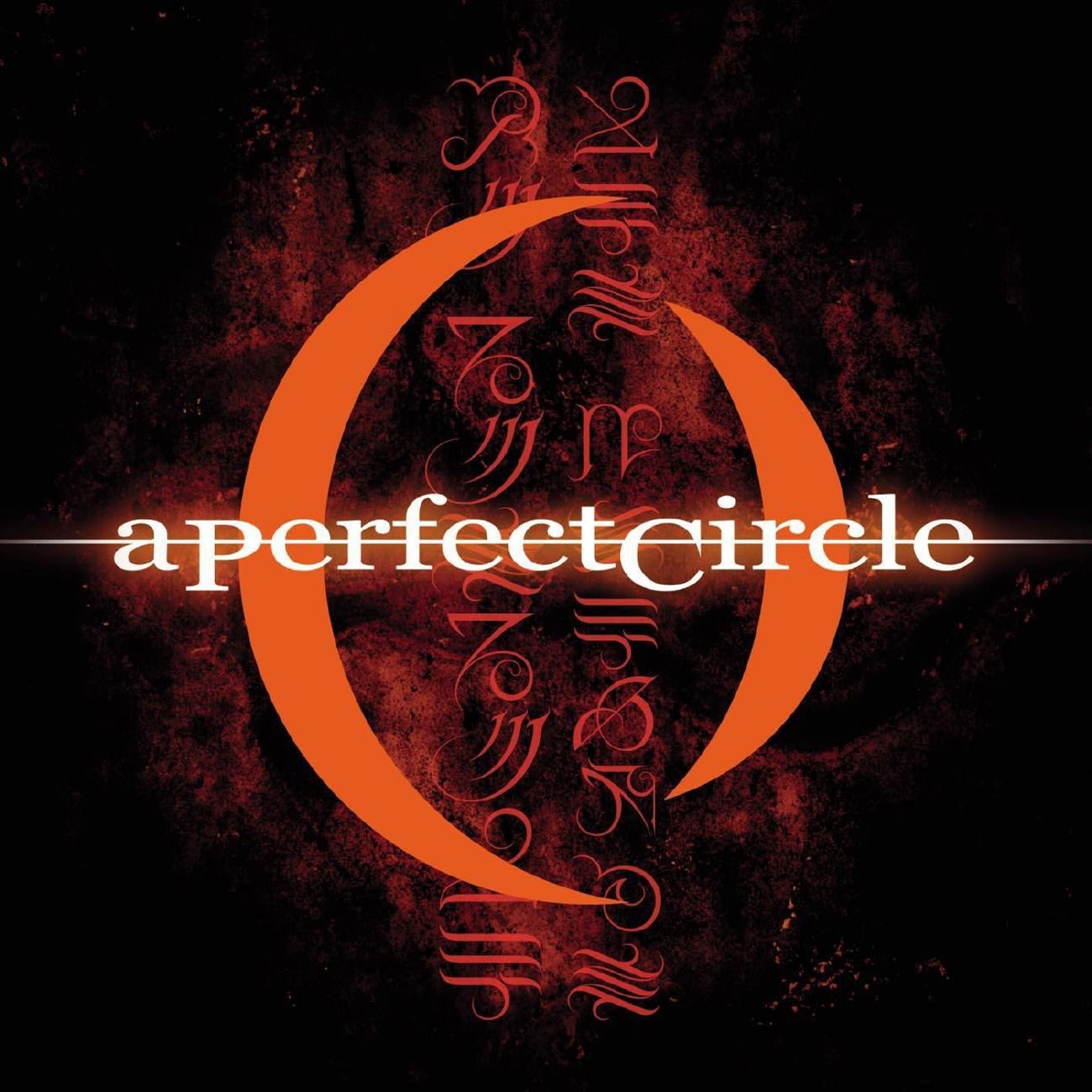
Like many well-known bands that deserve my attention, I am the latest to the party in giving A Perfect Circle their due. Although they had been constantly recommended to me by a close friend, who was more than willing to let me borrow their CDs, again and again other records took precedence. I knew very well that Maynard was (and is) a god of vocalization, and the one song I had heard before I remembered as being interesting, but it wasn’t until a long car ride soundtracked by Mer de Noms that I delved into APC’s music, and found myself utterly shocked at just how good their debut record actually was.
With music composed over a decade by guitar guru Billy Howerdel, Mer de Nom’s multifaceted pieces push the band to explore the furthest reaches of their sound palate. While tunes like “The Hollow” and “Judith” bring heavy guitars and slamming drums, “Rose” and “3 Libras” intertwine Paz Lenchantin’s violin with a dreamy darkness that is as beautiful as it is threatening. Similarly, “Thinking of You” toys with industrial noise and electronic beats, and the spacious “Renholdër” seems to give voice to a Middle Eastern desert. And while excellent production values, drop tunings, and minor-key song structures almost warrant a comparison to their nu metal contemporaries, Mer de Noms exudes a confidence and maturity that far surpasses the rest of the noise that surrounded it in the year 2000.
There is ostensibly a lot of flash to the sound of Mer de Noms, but one of the more subtle aspects of Howerdel’s approach to his songs is his delicate application of time signature. While most of the composition sits in a comfortable 6/8, Howerdel pushes different sections into different territories, such as starting "Rose" in 6/8 before tacking an extra beat on later in the song, or switching between 6/8 and 4/4 in “Thomas.” He even takes this idea to the extreme in “Sleeping Beauty,” featuring an intro in 13/8, a pre-chorus in 6/8, and a chorus that plays once in 6/8 and another time in 4/4. Although he has a severe penchant for odd rhythms, Howerdel applies these technical thoughts with such delicacy that they are virtually unnoticeable to all but the trained ear, adding nuance without standing in the way.
Certainly, Howerdel is a defining force in APC’s monumental sound, but it is the star-studded lineup he collected that launches these tunes into the atmosphere. Paz expertly holds down the core of each song in rhythm, yet pulls all the energy from her bass into the spotlight for “Rose” and “Breña.” Chugging along with her and second guitarist Troy van Leeuwen is drummer Josh Freese, who brings both a temper and a temperance that effortlessly match the string section’s roar. This trio gives definition to Howerdel’s compositions on Mer de Noms, creating a backdrop that allows his composition to shine without pushing the rest of the act to the wayside.
The instrumentation of Mer de Noms is a fierce entity, but no member brings more energy and humanity to the music than lead singer Maynard James Keenan. With an amazing vocal range and an even more complex emotional one, he seems to link his very soul to each song, tapping into spiritual states so immersive that the listener is sucked in with him. Like Billy, Maynard varies energy, style, and even mindset with each song, sounding a battle cry in “Judith” only to croon through sadness and suffering in “Orestes.” He leaves nothing out, drenching every note with the full essence of his thoughts, the full scope of his headspace, imbuing each song on Mer de Noms not just with feeling, but with its very own ghost.
Keenan also focuses his writing on Mer de Noms through a few specific themes. Sexuality runs heavily in some of the songs; “The Hollow” gives a very poetic voice to sexual urges, while “Thinking of You” seems to be a very tactful description of masturbation. On the other side, religion is also often approached. “Judith” and “Magdalena” reference heavy religious ideas and images, while “Thomas” seems to be a personification of the doubting apostle. Keenan wrenches down universal themes and injects them with his personal experiences, creating compelling pieces of writing to which anyone can relate, yet that pull the listener in like a close friend listening to a confession.
Between the superb writing and impassioned performances, Mer de Noms is truly a tour de force of sound and soul, and its no surprise that it debuted higher on the charts than any rock album before it. It is a record loaded with integrity and honesty, brute fury and dolorous sentiment, all executed with a flawless precision that demands attention. I mean every word when I say that I have not been able to stop spinning this record, that I cannot convince myself to listen to anything else on my commute. Mer de Noms rings with a truth and intensity that I have not heard this clearly in a long long time, and one I do not expect to hear again for a an even longer while. Tunes to Check Out: 1) Thomas 2) The Hollow 3) Thinking of You
When
I was fourteen years old, it seemed like everything was Nirvana, and Nirvana
was everything. With the Lights Out
had just hit shelves, catalyzing a furious interest in the band’s back catalog
that ran rampant through my friend group in high school. Burned copies of Nevermind and In Utero were passed around like a juicy piece of gossip;
however, it wasn’t until I browsed the local FYE that I ran into a copy of
their debut, Bleach, an album I just
could not understand as a child. But having recently felt its pull again, I
dove right in, this time arriving at a new appreciation for Nirvana’s gritty
and groaning first-impression.
Lots
of my favorite records tear into a run right off the gate, but it’s been a long
time since I’ve heard anything erupt quite like Bleach does. This record has almost more energy than it knows what
to do with: Krist Novoselic’s bass roars behind a guitar drenched in feedback
and overdrive, Chad Channing’s bass drum beats like a blacksmith’s hammer, and
Kurt Cobain yelps and growls with such force that his throat sounds like it’s
about to collapse. The band rages through slow and fast tunes alike, imbuing
the grinding beats of “Sifting” and “Paper Cuts” with the same visceral passion
as those in “Negative Creep” or “Downer.” Kurt’s rampant guitar tones conjure
up spirits similar to Black Sabbath, yet the band rocks with a ferocity oft
reserved for hardcore punk acts like Minor Threat. Nirvana manages to give
every ounce of strength and feeling they have to their music, forcing each song
through the speakers like a shotgun blast.
Though
the priority of this record’s sound is certainly energy, it is not all noise
and ire; the beginnings of the pop sensibility Kurt Cobain would be worshipped
for are apparent even on their debut. Though in a few short years Nirvana would
be considered the kings of grunge, when the band was writing Bleach, they were dealing with an
apparent pressure to conform to the Seattle sound that surrounded them.
The scene wanted heavy guitars and screeching vocals, and while Kurt did his
best to oblige, he could not keep his softer influences entirely absent; “Swap
Meet” and “School” both revolve around catchy vocal melodies, and “About a Girl” wholly embraces a pop angle, forgoing dissonance or insanity for gentle
vocals and tailored key changes.
Even
before the world was waiting for him to write “Smells Like Teen Spirit” over
and over, Kurt Cobain had a knack for blending the heavy and the melodic, and
“School” is an excellent example of this synthesis. Operating wholly on a
“less-is-more” ethic, the four chords and fifteen words that make up “School”
manage to create a piece both riveting and rocking. Chad Channing’s voracious
drumming guides the tune through dynamic changes, while Kurt’s guitar and
vocals battle for the spotlight, remaining brutal in the style of Bleach, yet catching the ear more than
enough to cause a craving. “School” is a prototype of the formula that would
soon drive Nirvana to success, a song incubating the emotions and attitudes that
Kurt would explore more heavily in later records.
Besides
forming a pop blueprint, “School” is indicative of the Bleach sound in other ways, specifically the sparse and general
lyrics that blanket the record. As Kurt admitted in interviews, “With Bleach, I didn’t give a flying fuck what the lyrics were about. Eighty percent were written the night before recording.”
This lackadaisical approach to writing leaves a lot to be desired from the
lyrics, especially direction. “Big Cheese” and “School” can be taken to address
the band’s experience with corporate influence, but random lines like “She is glue, how are you?” force the song to veer off into nonsensical
territory. Similarly, “Scoff” almost sounds like a mission statement, but how Kurt’s
demand of “gimme back my alcohol” adds weight to that statement is unclear.
Indeed, other than a penchant for fun little rhymes, “Sifting” fails to
communicate anything at all.
Although
lyrical content might have been “the least important subject” to Cobain, he
does manage on occasion to say something of value on Bleach, specifically on the theme of rural communities. The
nightmarish “Floyd the Barber” bastardizes America’s favorite small-town, but
in doing so, Cobain comments on the massive disparity that exists between TV’s
Mayberry and the reality of working-class life. Similarly, “Swap Meet” caricatures
two characters scraping out a brittle living by selling items at the flea
market, and from the bitter way they apparently avoid each other, their
existence is far from happy. Songs like these show Cobain as completely capable
with a pen in his hand, if only he chooses to apply it.
The
lyrics might be wanting for some love, but overall, Bleach is as loud, gritty, and honest as a debut record ought to
be. As Kurt puts it, Nirvana’s purpose was simply “to have fun, write songs,and play.” There is passion without pretension on this record, and for
Nirvana, that passion “comes before anything else.” Bleach shows a band just working to get their footing, pressing
their hearts onto vinyl and launching it into an uncertain future. Over ten
years since I first bought my copy, I can finally hear that truth, and it is
indeed a sweet sound.
I listen to lots of music. Tons of music. All the time I surround myself with it. My every workday is soundtracked by the thousands of songs on my ancient iPod, every car ride defined by whatever album is spinning in my CD player. My tastes cross over almost every genre, and so it is rare that I am completely floored by a new song, nevermind an entire album. But from the very moment I decided to explore the newly-remastered, self-titled record by American Football, I was knocked off my feet by the completely original sound and the overwhelming human presence that each song encapsulates.
Although considered to be a seminal record of 90’s emo, the sound of American Football far surpasses any genre label that tries to encompass it. Short of some almost-distorted chords in the coda of “Honestly,” there is hardly any edge to the record at all; Mike Kinsella and Steve Holmes focus on tangling their guitar parts together, skipping through jangly and gentle melodies that work in perfect unison. Similarly, drummer Steve Lamos’ beats move like a lazy river, driven by jazz sensibility with nary a crash cymbal to be found. Interaction is the focus of each piece, all three musicians coalescing into harmonious compositions that are utterly pleasing and wholly exciting to the ear.
Although the energy of the record is somewhat lackadaisical, there is no apathy to be found; in fact, American Football spends more time than most assembling intricate pieces of music. The record abounds with time signature changes: “But the Regrets are Killing Me” wavers constantly between 4/4 and 9/8, while the band flaunts in 5/4 in “You Know I Should Be Leaving Soon” and 7/4 in “The Summer Ends.” To make matters more complex, apparently each song features a completely different guitar tuning, because according to Kinsella, “no two songs [are] in the same key.” Despite this convoluted nature of the compositions, there is no pretention in any of the songs; each piece breathes with its own life, existing as it is without trying to prove itself. American Football’s three musicians move effortlessly through their technical tunes, yet they manage without effort to wring true human emotion from each and every note, drenching their sound with their souls.
One of the best examples of American Football’s synthesis of prodigious musicianship and honest expression is the de facto closer to the record, “Stay Home.” At just over eight minutes, this sprawl of a song features all three band members playing in different time signatures “that sync up every so often.” The music is focused only on the idea of possibility; each repeat links differently with another part, creating a sonic orbit of sorts that only returns to the beginning after a lengthy journey. With “Stay Home,” the band isn’t trying to impress anyone with their skills, monster though they may be—in fact, they’re not trying to do anything at all, instead standing back and letting their song evolve as it sees fit. “Stay Home” is neither a performance nor an exercise, just a few friends teasing their instruments in and out of beautiful synchronicity.
The instrumentation of American Football is the focal point of human emotion; the “feeling” of the songs stems heavily from the guitars and percussion, and as such, the vocals and lyrics provide more accent than content. Kinsella’s gentle crooning refuses to take the spotlight, but instead fades in and out of the songs, applying context to the instrumentation without truly defining it. As Kinsella relates, most of the lyrics were written “on the spot” or pulled from a journal of his teenage years. Indeed, the band was so focused on the work of their instruments that both Steves were unaware of most vocal melodies until the band performed live.
According to Kinsella, the focus of American Football was always “the interplay between the guitars,” and ostensibly, the instrumentation is far more prioritized than the lyrics—hence the two instrumentals, one of which is simply named for the odd instrument used in it. However, when there are words to be had, the band melds them with music in wondrous ways, and no more so than in the opening track “Never Meant.” Holmes and Kinsella create a complex web of guitar work that is stunning yet dolorous, while Lamos taps out a gentle beat laden with syncopation.
The music is hauntingly beautiful, but Kinsella’s melancholy vocal really nails the sentiment home by giving the sadness a background. In a voice both detached and mournful, he tells his ex-lover to forget “everything said / and everything we did / best friends and better halves.” Emotion bleeds through the speakers as his vocals merge with the music as he states “you can’t miss what you forget” before imploring “let’s just pretend everything and anything between you and me was never meant.” Between the sparkling guitars and Kinsella’s fearsome lyrical statements, “Never Meant” has been proclaimed by the band as a “good representation” of their sound and feeling, and from false start to the final fade, it hits me just as hard as my first broken heart.
With its incredible synesthesia of instrumentation and humanity, American Football is truly a wonder, yet what is more unbelievable is its striking lack of conceit. As Kinsella relates, the record “was literally the last thing” recorded before college ended, and that “we knew we were going to break up” before recording was even finished. For American Football, their eponymous LP is simply a collection of feelings and thoughts from their college days, created for no one but themselves. That honesty rings loudly in each of their 9 songs, and it is no wonder this record has since been held in such high regard. American Football captures with powerful clarity the cadence of the human soul, and I have no doubt I will be stuck on this record for years to come. Tunes to Check Out: 1) Never Meant 2) I'll See You When We're Both Not So Emotional 3) But the Regrets Are Killing Me
Disclaimer: The following piece is a
super-in-depth look at one of my favorite records, and as such, it is riddled
with personal opinions and praise for said record. This cannot be helped.
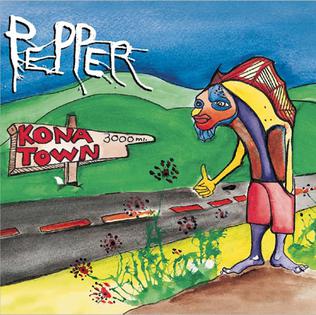
Truth be told, I have no idea how it is that I got into the music of
Pepper. Having been a big fan of ska and reggae during high school and college,
it makes sense that I should so easily connect with Pepper’s sound, but the
tale of how I happened to get my hands on a copy of their record Kona Town
is lost to the ages. Yet regardless of where it came from, that album was an
immediate phenomenon with me and my friends during college, and to this day
remains one of my absolute favorite albums.
You’d be hard-pressed to find a record that is more instrumentally
simple than Kona Town, but there is certainly no lack of imagination or
inspiration in its thirteen tracks.Every song is marked with a distinctly Kona flavor, but still Pepper dives into a range
of styles and sounds such as reggae, ska, punk rock, acoustic pop, and even
hip-hop. Kaleo Wassman’s rhythm guitar pieces lay back lazily into upstroke
chords, yet his solos often wail with a metal-tinged ferocity. Similarly, Yesod
Williams thrashes his drums in typical punk fashion for “Face Plant” before
cruising a very dub-fueled beat in “Tradewinds.” Their basic approach to
composition allows Pepper to sound tight and yet stay loose, letting their
rhythms and melodies move unencumbered to their audience.
While all three members of Pepper rock pretty damn hard, the most
compelling performances come from bassist Bret Bollinger. His powerful presence
on the bass steers many of the songs in energy, feel and emotion, and although singing
duties are split between him and Wassman, Bollinger’s soulful vocals, colored
with the accent of his Hawaiian homeland, really stand out as full and emphatic.
Bret Bollinger’s energetic presence and lively, emotional performances are what
drives Kona Town forward, reflecting an unbridled enthusiasm for his
music that is dangerously infectious.
Not unlike the instrumentation, Pepper’s lyrics on Kona Town
rarely waver from the simple and straight, but there is no shortage of thought
or variety to be found. Each piece receives a unique approach in its writing;
songs like “Face Plant” feature straightforward scenes, while “Dry Spell” and “Tongues”
follow a general theme without evolving into a true story. Similarly, “Stone
Love” and “The Office” only paint impressionistic images, using language more
to provide musicality than context. Pepper applies their lyrics like layers of
paint, giving some songs only a spritz while others receive multiple coats, a
tactic that allows the listener to not only slip into this Kona world, but also
to fill it with their own meaning and emotion.
Kona Town is a record that insists on making a lot out of a little, and Pepper
really manages to flesh a ton of love and feeling from these thirteen tracks.
There’s simply no way a general sweep could effectively encompass the magic
that this band has managed to produce, and so forgive me as I gush a little on
some great jams from one of my favorite records.
1.The Good
Thing
At less than 30 seconds long, “The Good Thing” is a little
ditty that softly launches Kona Town into orbit. Following a bout of
laughter and jeering, the members of Pepper collect themselves long enough to
stilt through a small song that rings like a radio station ID, introducing
their record and paying homage to their hometown of Kailua-Kona. While the tune itself offers some pretty solid vocal harmonies, more
importantly, it provides a candid glimpse at three friends whose focus is more
on making music they love and enjoy than presenting a serious façade. “The Good
Thing” sets the tone for the rest of the album, blatantly displaying the band’s
enthusiasm and interconnection, and kicking off the music proper with a
jubilant exclamation of “Let’s start this record!”
2.Stone
Love
Despite being the first song proper on Kona Town, “Stone Love” is
perhaps the most eccentric piece on the record in both shape and presentation.
On top of Williams’ shambling drum beat, Bollinger and Wassman sway through a
melodic riff in a dub-reggae feel that never quite makes it out of the background,
instead letting a very prominent keyboard take the musical stage. Similarly,
Wassman’s vocals seem to float in and out of the tune, taking the lead
sonically without communicating more than a general impression of being stoned.
His lyrics provide only vague context to the lazy instrumentation, thus
focusing his voice more as another instrument than a human presence. “Stove
Love” shows the whole band working to generate a feeling more than a specific
scene, effectively capturing in song an atmosphere of intoxication, using
instruments where words would say too much.
3.Dry Spell
With its driving bass line and distorted chorus, “Dry Spell” crosses
between lackadaisical ska and grinding rock across its four minutes. The verses
lay about in an apathetic groove and the choruses explode in frustrated fervor
as Wassman laments a period of lovelessness and listlessness. His lyrics
utilize much liquid imagery to describe his suffering, such as “Taking water
while the well is dry” and “Drifting on my piece of sorry, shattered
stubbornness,” lines which find their context in the title’s implied lack of a
sex life. Wassman’s desire for companionship has left him hungry and wanton, so
much so that he compares his leering to that of an evil spirit: “The devil’s always smiling when you pass by.” He even implies that he has sunk low enough
to seek the company of a prostitute with the line “What’s given, man I don’t
get for free.” In “Dry Spell,” Pepper manages with extreme subtlety to encapsulate
the frustration of a lonely man in their music, implied only using dynamic
changes and indirect language.
4.Face
Plant
Whereas the previous tune spends time crafting a delicate framework of
metaphor, “Face Plant” throws out all adornment and opts instead for
straightforward statements. The band pushes forward relentlessly at a speedy,
energetic tempo, while Bret Bollinger whines about being a friendless loser. The
enthusiasm of the instrumentation belies the utterly silly lyrical concept, yet
the band’s thrashing, simple execution manages to link perfectly with the
melancholy vocals. The crunchy palm mutes, root note basslines, and crashing
cymbals of “Face Plant” create a heady and heavy atmosphere completely devoid
of pomp, pushing instead the fun and facetious attitude that is Pepper.
5.Tradewinds
Exploding through the speakers from the get-go with a gargantuan drum
hit, “Tradewinds” then lilts down into the slow, beautiful dub beat that
defines the song. Williams’ drumming is sparse, Wassman’s chords even more so,
letting Bollinger’s flourished bass groove lead the song. The instrumentation
creates a rhythm reminiscent of lapping waves, lulling the ear into max
relaxation peppered through with gorgeous but gentle guitar picking and a
whirring organ.
With such a soothing sound, “Tradewinds” feels like the musical
personification of a tropical island, and indeed, Wassman’s lyrics seem to
imply that very idea. In describing his home state, Wassman says that “Hawaiii's a place of magic and connection. You are always influenced by it.” In this song, Wassman pines for his native land with lines like “Seems I’m always looking when I hear your name.” Though he sits now “in a train
station / traveling to an unknown destination,” his heart remains in Hawaii, a
land that will always “hold [him] close” even when the winds of the
future blow him elsewhere. “Tradewinds” is Pepper’s true ode to their home, a foil to the silly
opening track and the band’s way of sending their regards to their roots.
6.Stormtrooper
With its syncopated intro riff and marching instrumentation, “Stormtrooper”
is Pepper’s trudging condemnation of authority. The band lays back for this
one, handing the spotlight wholly to Bollinger's vocal, who tears at the ideas of
incorruptibility and omniscience with lines like “You think that we can’t see your face” and “You want a battle? Well don’t look very far.” While Bollinger’s
verses ring as stark condemnations if not threats, guest vocalist Josh Fischel
changes the tone in the third verse by peppering in references to Star Wars,
simultaneously adding a new dimension to the song and taking all the serious
air out of it. Amid the spacey atmosphere, “Stormtrooper” shows Pepper poking fun at
themselves, refusing to maintain a serious stance even for an entire song.
7.Ho’s
Easily my favorite jam from Kona Town, “Ho’s” jumps into a
sleazy, skank-worthy groove that demands movement from the listener. Bret
Bollinger weaves his walking bassline between the guitar and drums, flecking
his rhythm piece with musical filigrees that keep the piece beautiful while
imbuing it with a sick swagger. The band opts for a ska feel in this song that
is complemented by a clav key melody and completed with a zesty trumpet solo
and accompaniment.
Pepper’s instruments blend seamlessly in this musical masterpiece,
creating a delicious backdrop for Wassman’s soulful and sultry vocal.
Maintaining a deceivingly gentle cadence throughout, Kaleo begins posturing
brazenly as a virile man with “fifteen books on [his] story” who is quickly
overwhelmed by the mere sight of a woman. In pursuing his new fascination, he finds himself
enamored yet abandoned, asking “why am I so short of your attention?” only to
find he’s been marked off as a “one time slam.” With its deft melodies and enormous groove, “Ho’s” keeps me moving
even after it has faded out, and has been a staple in my live repertoire since
I first heard it.
8.B.O.O.T.
With its bluesy guitar progression and catchy chorus, “B.O.O.T.” is Kona
Town’s most confident tune, and perhaps the best example of the band
performing as a unit. Pepper effectively employs dynamics throughout the
composition, tiptoeing through quiet verses before jolting into a moving
chorus. Kaleo Wassman is cheeky and boastful in his lyrics, stating “the pleasure was all mine if it’s all the same” and even taking a direct shot at
Creed. The band uses the song as an opportunity to strut their stuff and
call out the haters, and as such, the syncopated hits in the pre-chorus hit like haymakers. “B.O.O.T.” cracks like a whip among the many gentler tunes on Kona
Town, and still leaves me reeling after each listen.
9.Give It
Up
Opening up instantly with an arrogant vocal line, “Give It Up” launches
itself into the ear with a hubris befitting the song. If the previous track
shows the band posturing as macho, this song takes it to the next level, albeit
in a very facetious manner. The music is predominantly loud, distorted, and
fast—the staples of testosterone-driven rock—pausing only to drop into a
ska-flavored chorus. In the lyrics, Bollinger again explores the plea for
physical love, but this time laden with the conceit of the overconfident,
virile male hunting for his next lay.
Wielding cheesy pick-up lines like “I’ve found my life purpose and it’s getting upstairs and into your bed,” Bollinger takes on the character of the
brash young man picking up chicks and tossing them aside; yet rather than celebrate such an obviously cruddy personality-type,
Pepper instead turns it over completely by embedding a skit into the song, in
which Bollinger’s character arrives home to find his girlfriend sleeping with
his father! When his “honey girl” (another shout-out to Hawaii) admits that she mistook the father for the son, she further slashes
at Bollinger’s pride, labeling both men as apparently interchangeable. In “Give
It Up,” Pepper rips on the misogynistic sex-fiends, embodying an archetypal
male just to tear him down, all in a hilarious and fun tune that is tailored
for laughs.
10.Sitting on the Curb
Another danceable and upbeat tune, “Sitting on the Curb” presents one
of Wassman’s best lyrical applications on top of upstroke guitar chords and a
returning trumpet. The song’s atmosphere is fun if not celebratory, and Wassman’s
melodies perpetuate the lighthearted energy that the song pushes, but the words
express almost the opposite concept, exploring the deep loss that accompanies a
lovers’ departure.
Wassman begins by describing the incredible wealth he once had,
stating “I remember those days when I had big money / never checked the price tag, it just all came to me.” The character starts with everything, yet now he
is destitute, “pinching every penny” and using the curb as a pillow. Wassman
starts by describing a material wealth and loss, but with remarkable control
and effectiveness, soon shifts the focus, until all he needs is “one response,
maybe a glance” from his ex-lover. Wassman expertly juxtaposes monetary and emotional loss in the lyrics
to “Sitting on the Curb,” articulating that in the end, the emotional loss is
far more painful than any lack of money could be.
11.Too Much
Another excellent example of dynamics, “Too Much” reflects Pepper’s
comprehensive understanding of space in songwriting. Across the entire tune,
the band alternates their energy, exploding through the syncopated intro just
to fall back to a simple verse drenched in reverb and echo. There is a ton of
negative space floating between notes in the body of the song; neither Bollinger’s
contemplative bassline nor his standoffish melody take precedence in the song,
instead standing back and letting what isn’t said ring loud in the listener’s
ear. The band keeps the energy in check until the very end, rocketing towards
the finish line with a distorted and melodious outro riff. As the first Pepper
tune I ever sampled, “Give It Up” caught my ear immediately with its efficient
dynamics and gripping vocal lines, inspiring me to pursue a record I would soon
come to adore.
12.Tongues
In sharp contrast to the rest of the record’s energetic and electric
pieces, “Tongues” unwinds as an acoustic ballad that features one of Bollinger’s
best vocal performances. The song proper is melancholy and cold, reflecting the
broken heart the lyrics embodies. Bret deftly wields his own tongue in the
song, reworking a couple of clichés to form the line “chop up your heart with my truthful tongue.” He begins at distance from his topic with the line “don’t touch me
girl until the song is done,” yet by the end he has regressed to longing and
loss, admitting that the “only thing I ever loved was you.” Riding out with a time signature change and triple vocal
counterpoint, “Tongues” hits harder than any other tune on Kona Town,
using only smart language choice and a mourning guitar to shape its message.
13.Office
“Office” seems like a paradoxical title for a song so relaxed and
anti-responsibility. For the length of the tune, the band lazily wanders
between a reggae groove and a tipsy, acoustic chorus, punctuated only by a
fuzzy guitar solo. The vocal is equally lethargic, rambling like a
drunken man celebrating his own inebriation, pushing the tune along without
adding flourish or flaunt. There is no fanfare at all to the song; the band
swirls in their sleepy jam and silly thoughts until they can no longer keep it
together. “Office” tries to prove nothing, but acts as a nightcap to a record
that sounds like a party, reveling in its own enjoyment before passing out on
the couch.
Despite the ostensibly compelling collection of songs that it holds, Kona
Town was initially derided upon its release for a lack of quality and originality. While the myriad comparisons to the work of Sublime are certainly
warranted, any similarities feel far more like products of a shared genre and
locale rather than plagiarism. A back-to-back listen to a track off Kona
Town and virtually any Sublime song will show far more differences than
parallels, stealing all credence from the piles of (poorlywritten and hardly researched) reviews that name Pepper as rip-offs.
In the same vein, the overall quality of the instrumentation,
composition and even sound quality on Kona Town hardly invites the
trashing it received. Although Yesod Williams’ drumming leaves a bit to be
desired (he plays the same drum fill in every song), there is a definite and
definable cohesion between the three members of Pepper, whose instruments
coalesce into monster grooves that feel as natural as breathing. In an
interview with Ink 19, Williams even owns the band’s simple approach: “We never consider ourselves technically good musicians. It’s more about the vibe.” The songs on Kona Town hold the friendship of these three
musicians at their core, the vibe that makes every tune bleed quarts honesty
and harmony. There is no pretense about the music of Pepper—it’s just three
dudes who, as Wassman puts it, are “enamored” of the music they make and the
experience of creating it; they offer nothing less, and we as listeners can hardly ask for more.
Above all the good and bad, Kona Town is simply a really fun
listen, and one that means a lot to me. I have performed covers of “Ho’s” live
more times than I can count, and many other songs off this record are included
in my repertoire. Each tune on Kona Town presents its own little slice
of life, and whether simple or complex, voracious or relaxing, it is always a
good time. This record started as the soundtrack to my undergraduate career,
but has stuck to me since; I don’t foresee it disappearing anytime soon, and I
wouldn’t give it up for anything.


.jpg)